

The Stories We Live In
I May be a Tad Angry

I was recently on a Zoom coaching call with Sophie Mclean, a spiritual teacher. I was telling her about a conflict with my sister.
She raised her hand, interrupting my narrative.
"Oh, sweetheart, you're really angry. What age did it start?" She asked in her French accent.
"13," I blurted out, teary.
I felt as if Sophie had taken my face in her hands.
"Forget your sister for the time being. Let's heal the hurt and sadness that anger covers." That sounded so nice. Maybe it was the French accent. Somehow, she got to me.
13. That's when my big brother, whom I loved without holding back, drowned in the town reservoir. I blamed my parents, whom I loved and hated.
Theirs was a house of friction, alcohol, and complaint. That's the way many homes were back then. My brother and I rebelled. Together. We reacted to the tumult.
We knew true things pre-narrative. For example, I knew something about the church that we went to. It didn't smell right. Only later would it come out --the sexual abuse, suicide, and ugliness around our small town and its pedophiles. When I saw the movie Spotlight about the cover-up of religious people's 'sins,' I felt sick. There had been evil there, covered in sanctimony. I knew it.
Brian and I knew things together, and when he died, I was the soul keeper of the knowledge that he was a good boy in his heart. Everyone else had him wrong. He was a violent kid because he had learned violence from the moment he was in utero.
I accepted the narrative about his death -the story everyone was telling to satisfy our need for story. It must have been a drowning, everyone thought. Years later, I learned there was a fight. Two boys remember somebody throwing logs. It could have been an accidental murder. Should I open up that cold case?
I never got to say goodbye to my big brother. I also lost my mom to guilt and grief.
I didn't get to say goodbye to my father either.
"He must have gotten tired and swerved into oncoming traffic," someone told me in the hubbub of the funeral. That narrative was nice but untrue.
"He was schnookered. The whole ER stunk," I was told later by a nurse who had been in the ER the night his body came in.
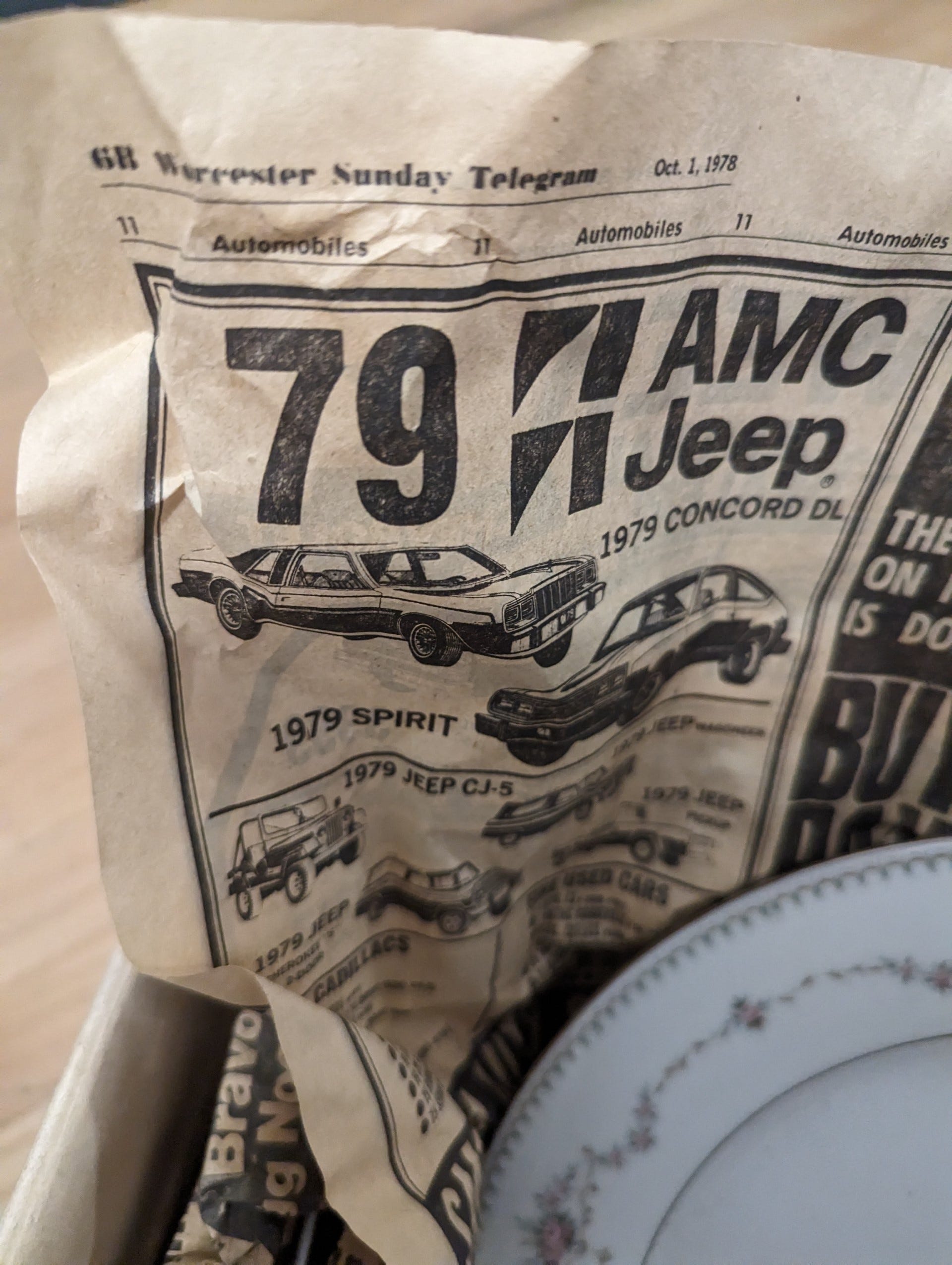
I still miss him. I feel a drive to connect with him. I recently unpacked some china in newspapers from the year my dad died. I am loathe to throw away the paper. I couldn't not read every page, like I might find my father there. Or my childhood. It is taking me forever as I read about 1978 Central Massachusetts politics and whatnot.
I feel the same way when I visit my hometown, like maybe I’ll be able to find something that was lost. I never do.
Mom packed everything up and sold the house when I went away to college. I felt that that was the worst betrayal because we never discussed it.
"We needed the money," She explained after.
I never got to say goodbye to all the things of my childhood.
I am stuck with my anger, which covers sadness, loss, and not saying goodbye -over 50 years of anger. Now I have had cancer, and it makes sense. Anger creates an environment for cancer to proliferate. People who remind me of that are like people who say, 'Smoking is bad.'
Oh really, bad for you, hunh? I want to say.
The ways of being that have us survive our family of origin and thrive can also take us out.
Anger makes great comedians. You've got to do something with it.
I have a thread I am pulling, and with it comes a sense of possibility, hope, and relief from the resignation and cynicism that I am the way I am, and that's the way it's always going to be. I will let you know what I find because why else are we given our unique challenges?
Vanda, this is really good. I can almost hear your voice as I read.
Vanda, this was vulnerable and honest in an endearing way. Your writing is powerful. And I really like this idea about ‘the stories we live in’ and the narratives we’re told.
Thank you for sharing